
Utility Locating & GPR
Ground-Penetrating Radar
Non-destructive subsurface scanning for utilities, tanks, structures and anomalies — seeing what electromagnetic locating alone can't.
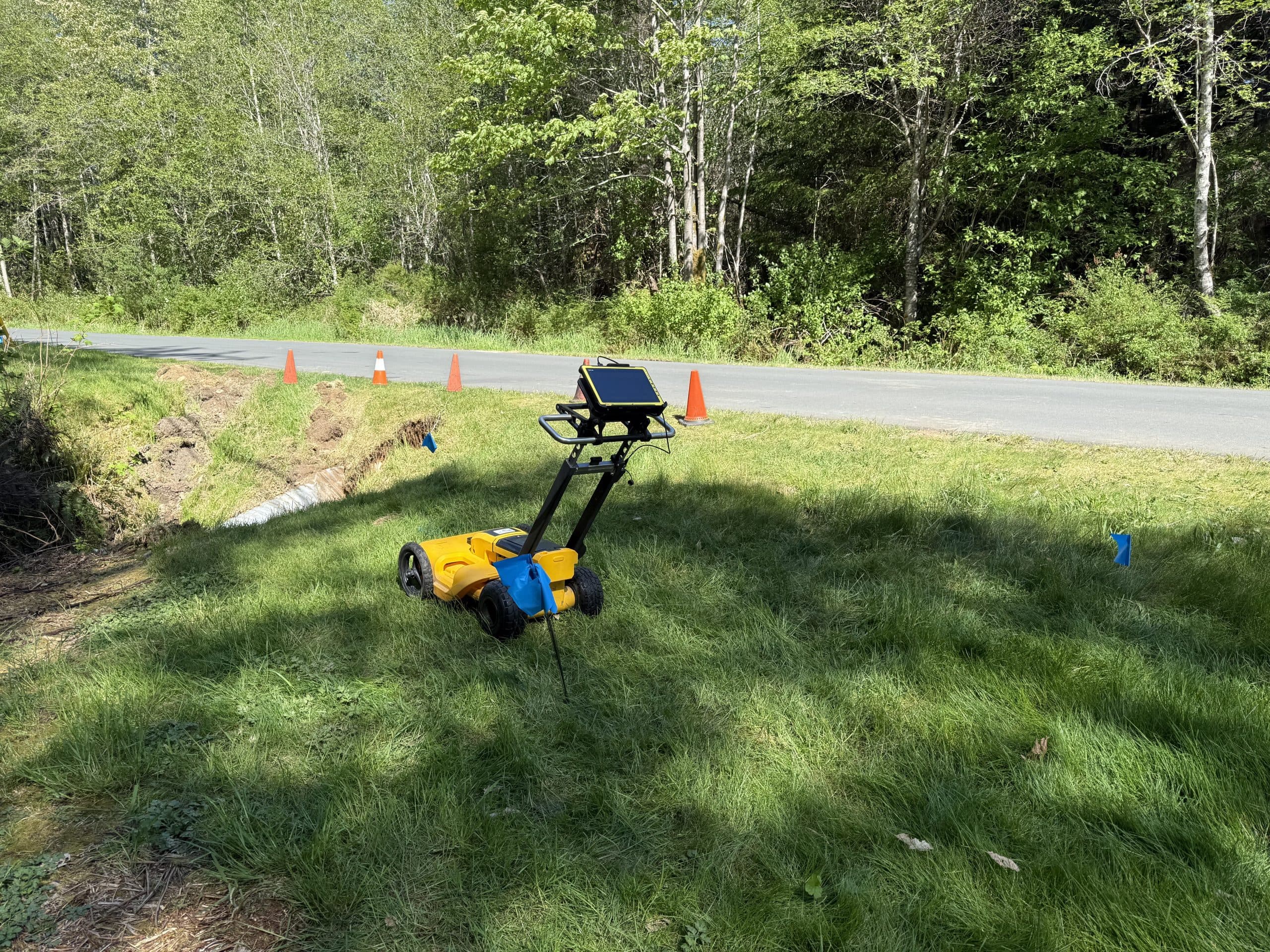
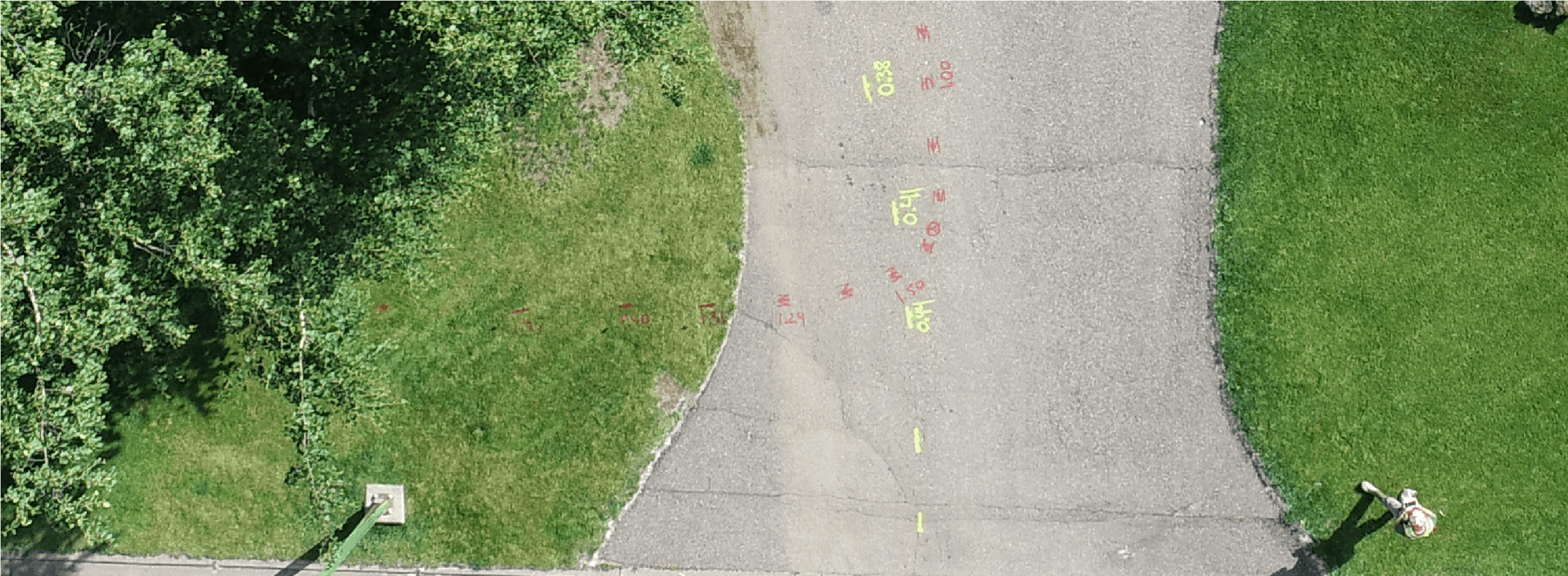
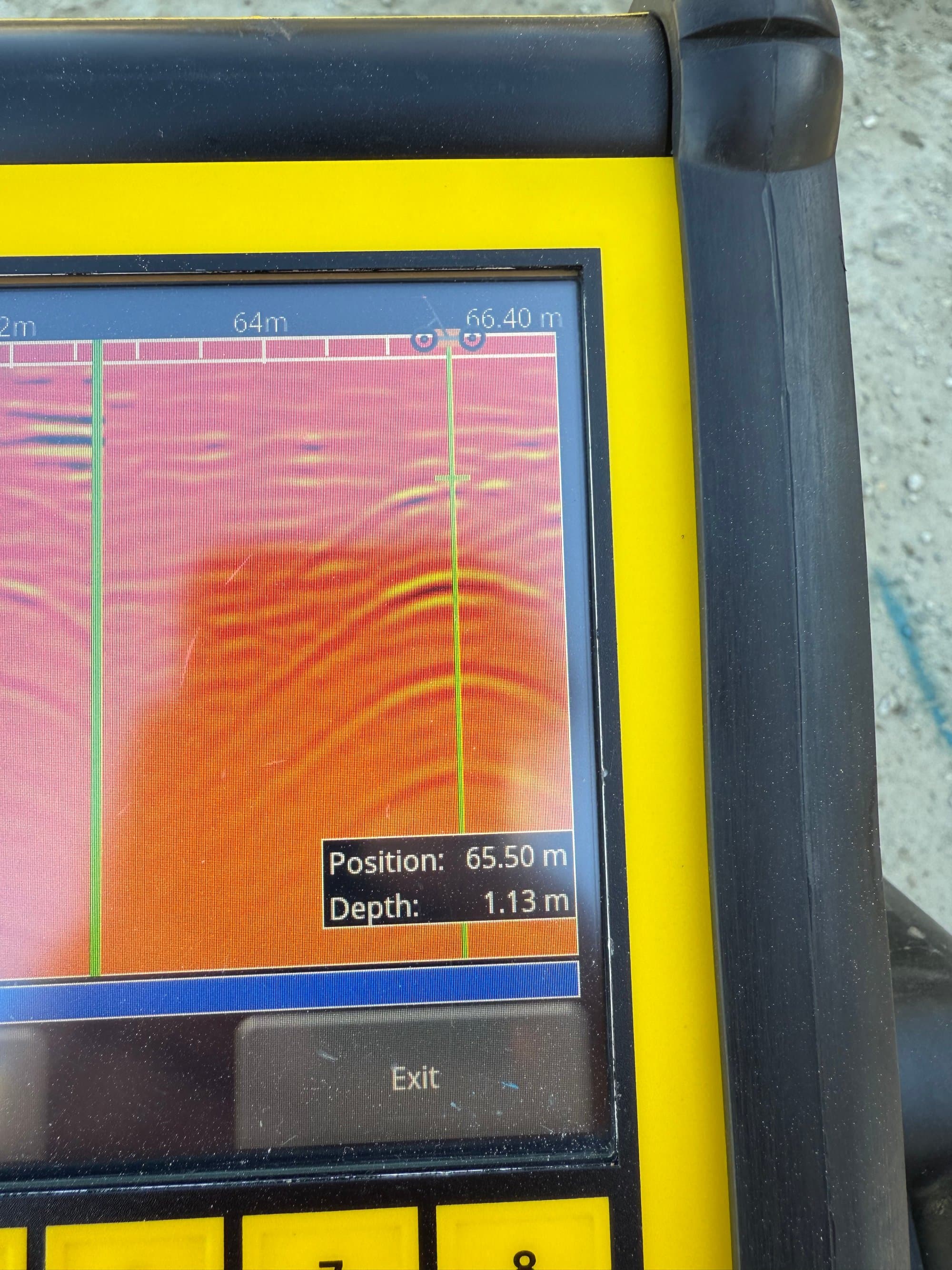
Ground-penetrating radar transmits radio pulses into the ground and reads the reflections from buried objects and layer changes. It finds things electromagnetic locating can miss: plastic pipe with no tracer wire, buried tanks, concrete structures, voids and unknown obstructions.
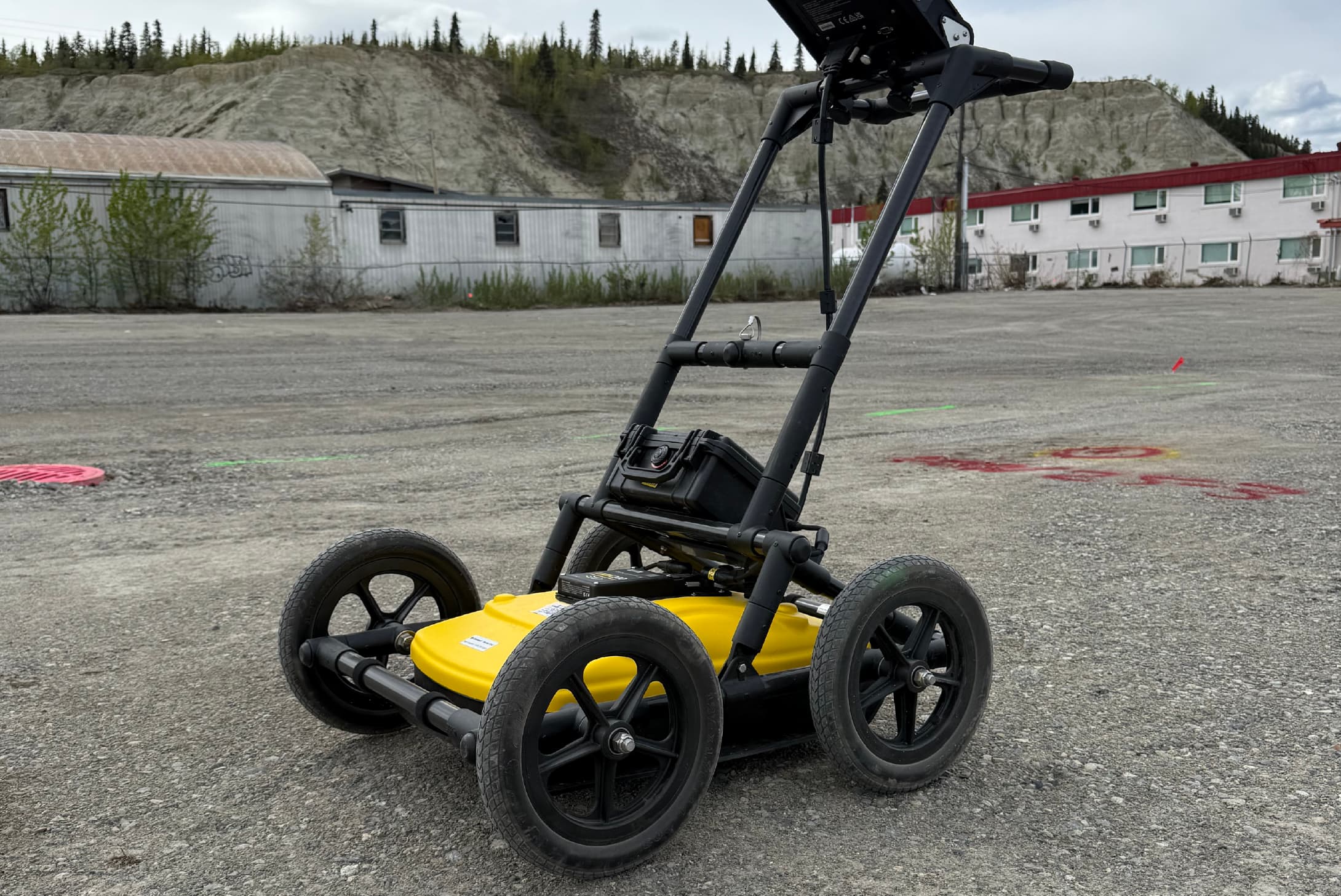
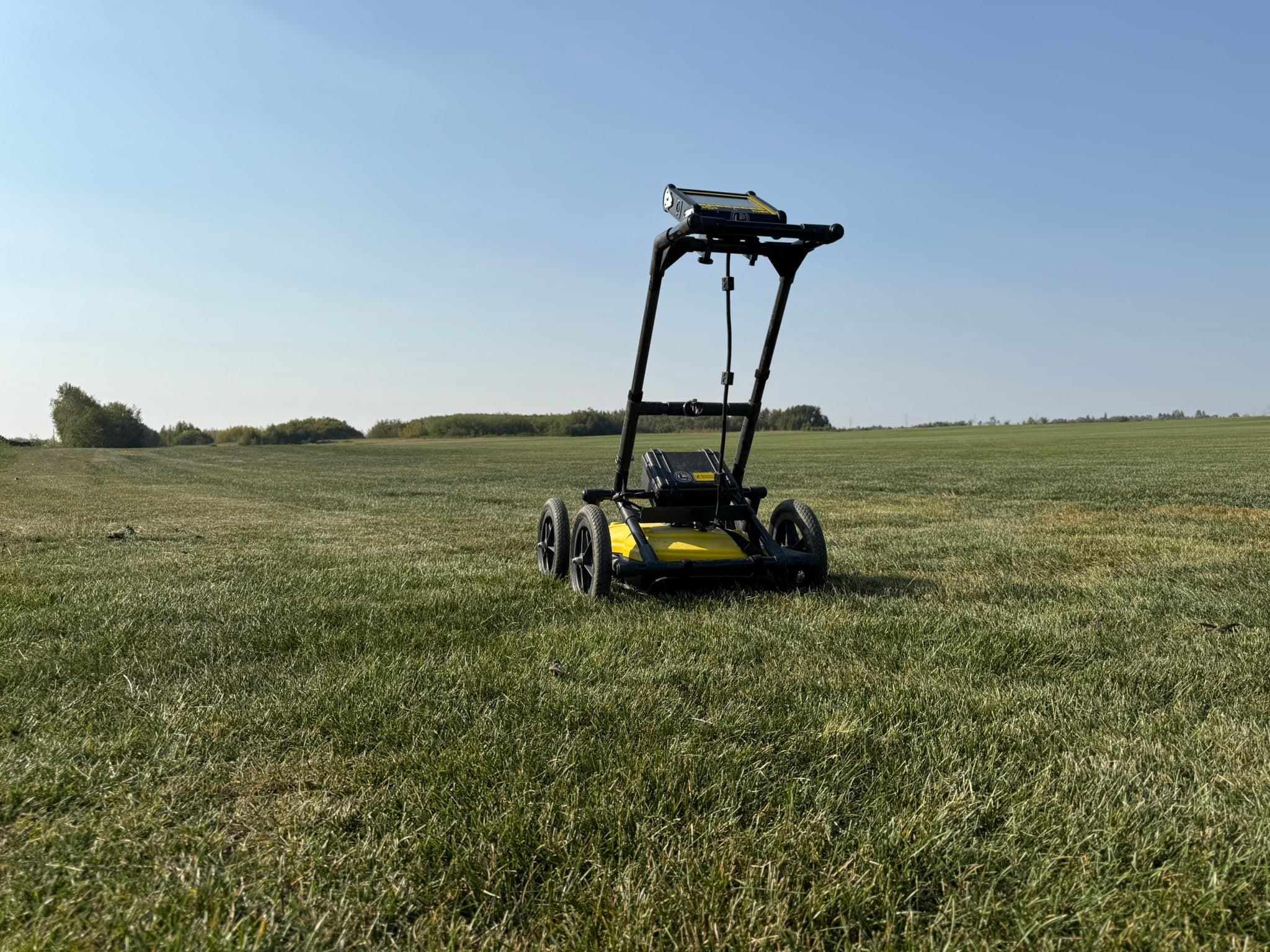
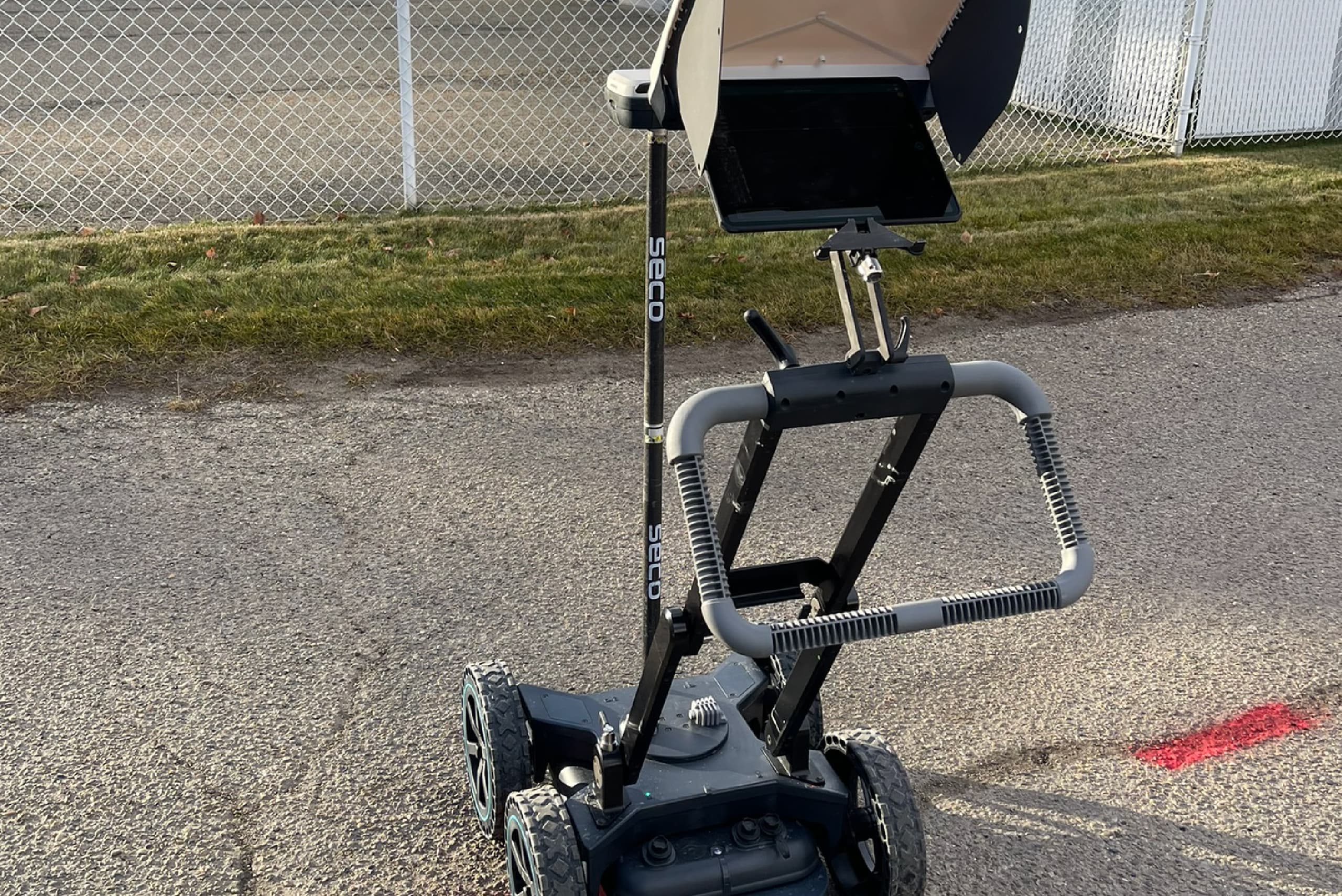
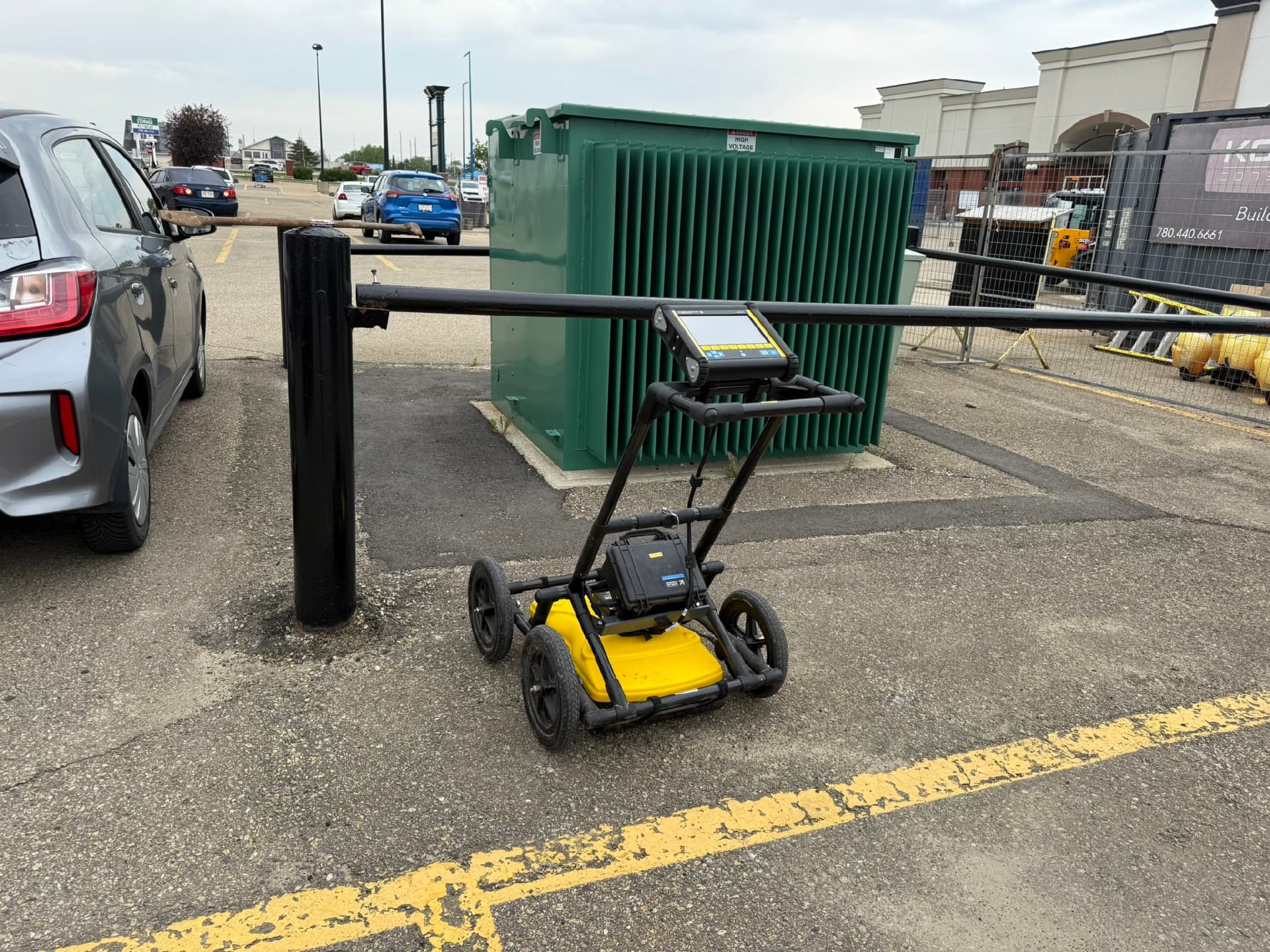
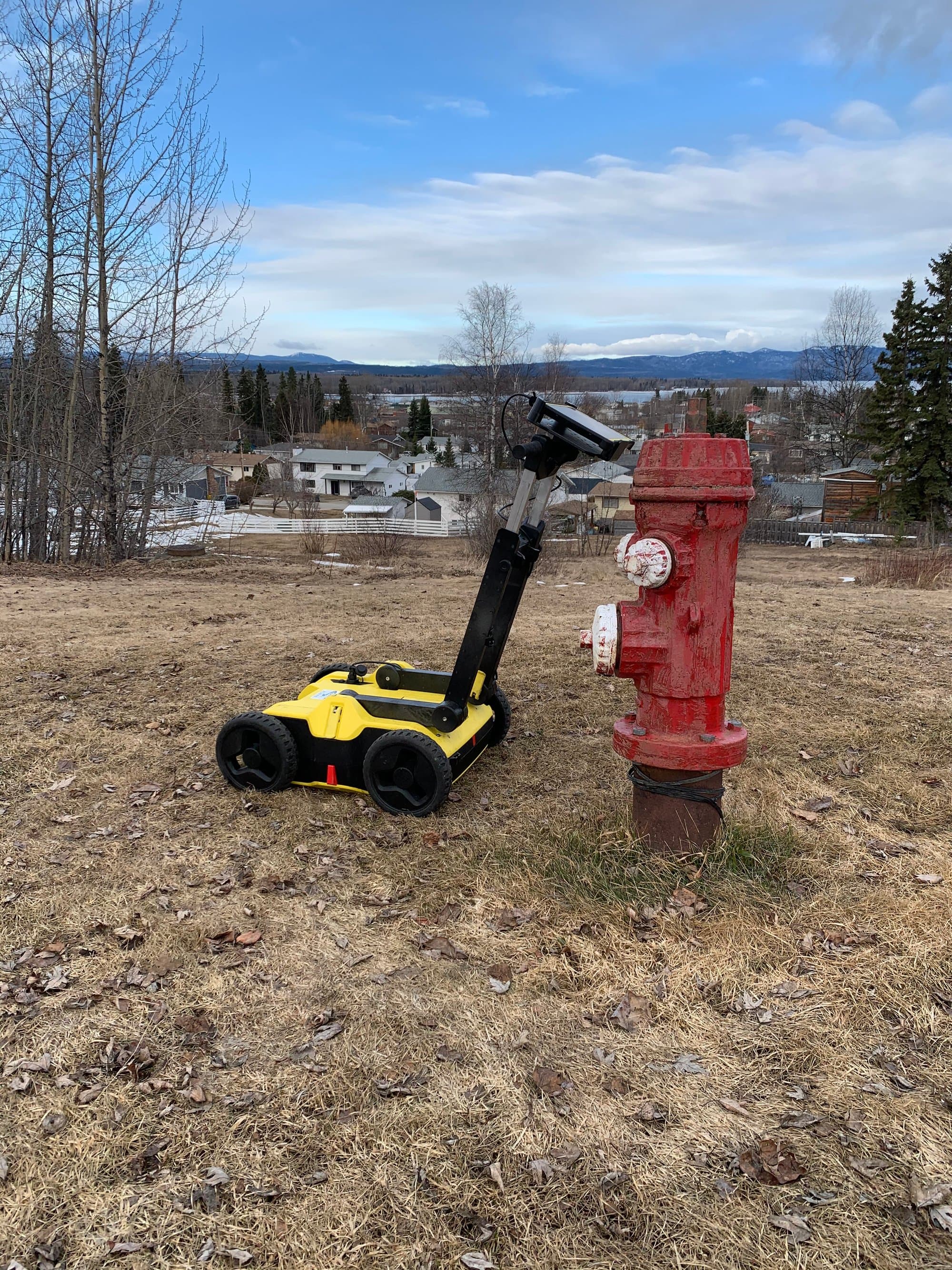
PCI Surveys runs Leica DSX GPR alongside electromagnetic locating so investigations combine the strengths of both methods. We scan excavation and drilling areas, investigate unknowns, and map subsurface features where site conditions allow, across BC, Alberta and the Yukon.
What PCI Performs
- Buried utility investigations
- Non-conductive (plastic, concrete, clay) pipe searches
- Underground storage tank investigations
- Subsurface anomaly and possible-void investigations
- Pre-excavation and pre-drilling clearance scans
- Subsurface feature mapping where conditions allow
When You Need It
- When plastic or non-conductive lines may be present
- When old tanks, foundations or structures may exist on a site
- Before drilling or excavating in congested or unknown ground
- When EM locating finds a signal gap that needs explaining
Who Uses It
- Excavation contractors and drillers
- Environmental consultants
- Industrial and institutional facility owners
- Property developers and managers
Deliverables
- On-site markings of interpreted targets
- GPR investigation reports with imagery
- Mapped results, georeferenced when combined with survey
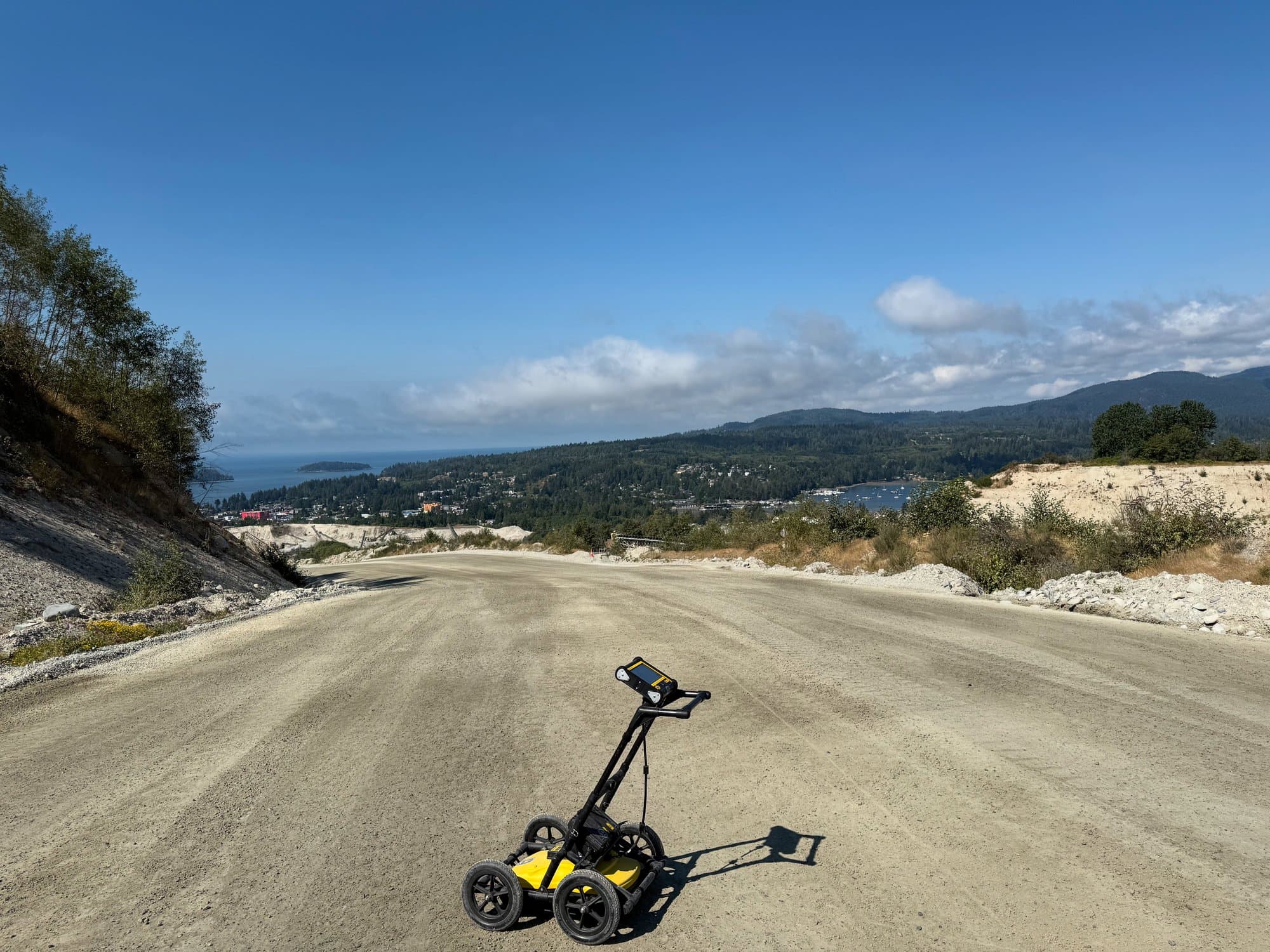
PCI In The Field
Real crews. Real sites.
Common Questions
GPR FAQs
What can GPR detect?
Metallic and non-metallic targets alike: plastic and concrete pipe, ducts, tanks, voids, buried structures and rebar. That makes it ideal for finding what electromagnetic locating can't.
How deep can GPR see?
It depends on soil conditions and antenna frequency. Granular soils allow the deepest imaging; dense clays reduce it. Our technicians read the site and are upfront about what the ground allows.
Can GPR find plastic pipe?
Yes — GPR is one of the few tools that can detect non-conductive utilities like PVC and HDPE, which standard electromagnetic locators can't pick up on their own.
How does GPR fit with electromagnetic locating?
They're partners. EM locating traces conductive lines quickly; GPR images everything else. Our crews bring both, so the whole picture gets marked before you dig.
Related Services
Often Booked Together
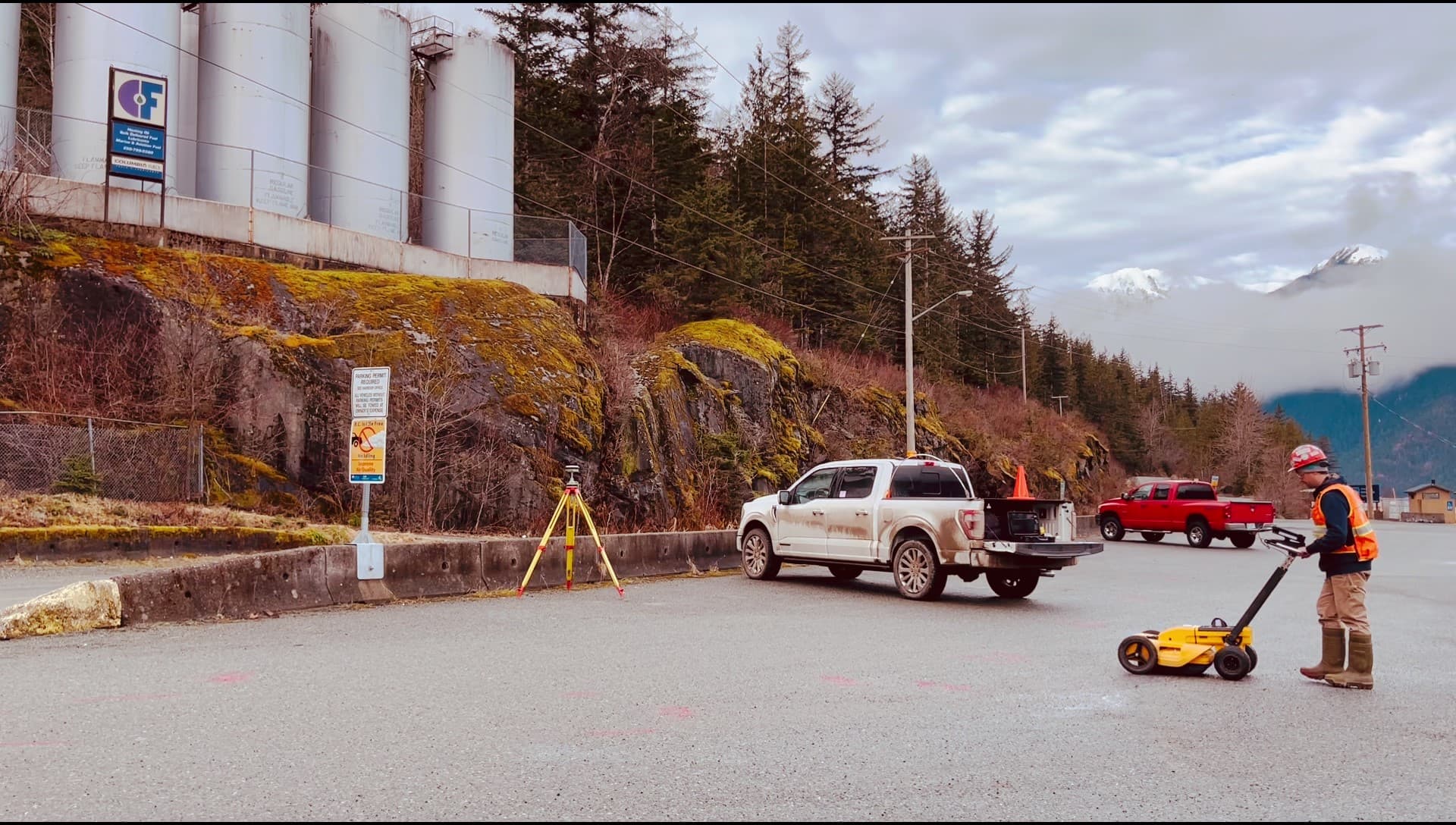
Private Utility Locating
Electromagnetic and GPR locating of privately owned underground utilities — the lines one-call services don't mark — before you dig.
Learn More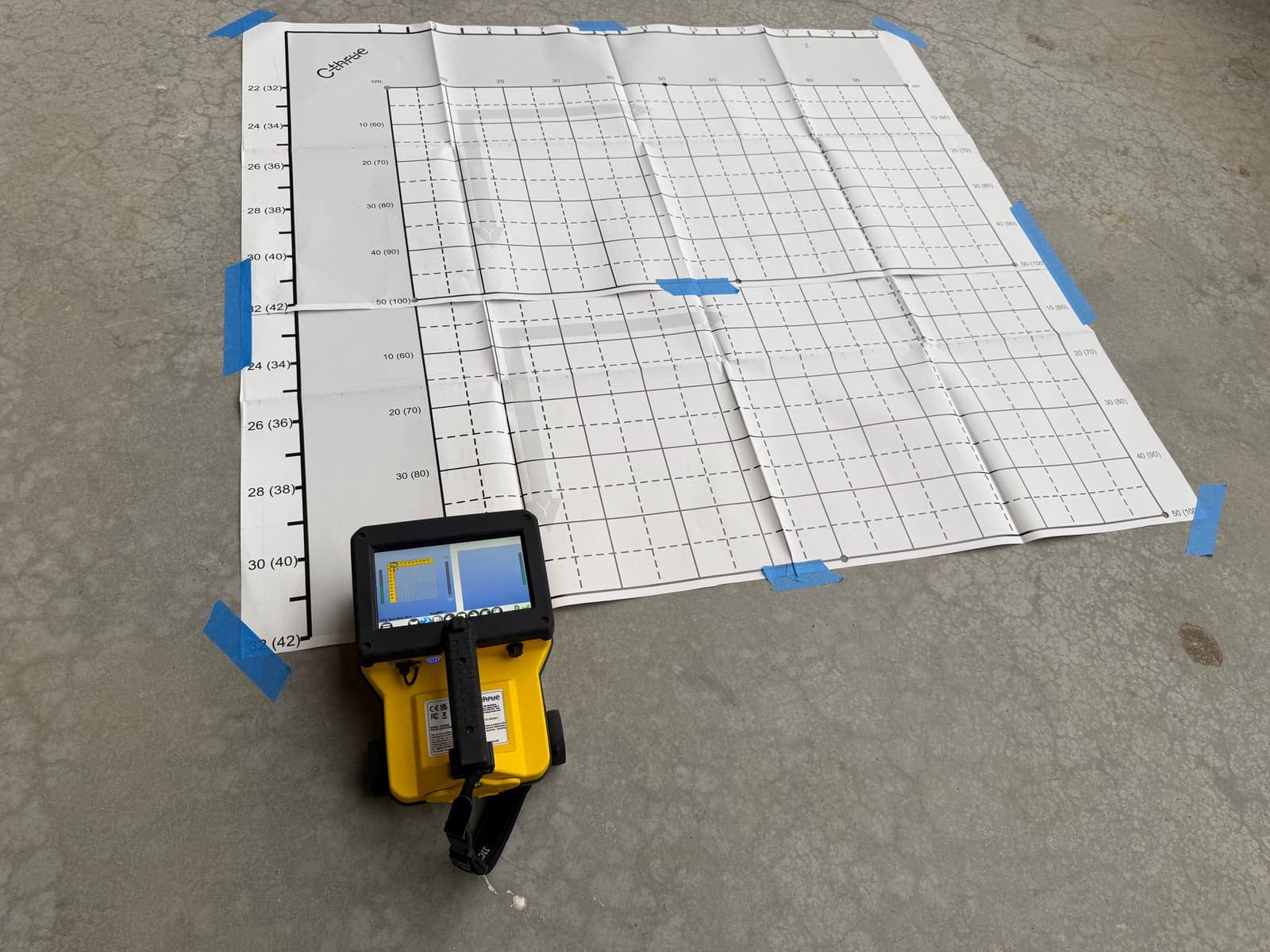
Concrete Scanning
GPR scanning of slabs, walls and decks before coring, cutting or drilling — find rebar, conduit and post-tension hazards first.
Learn More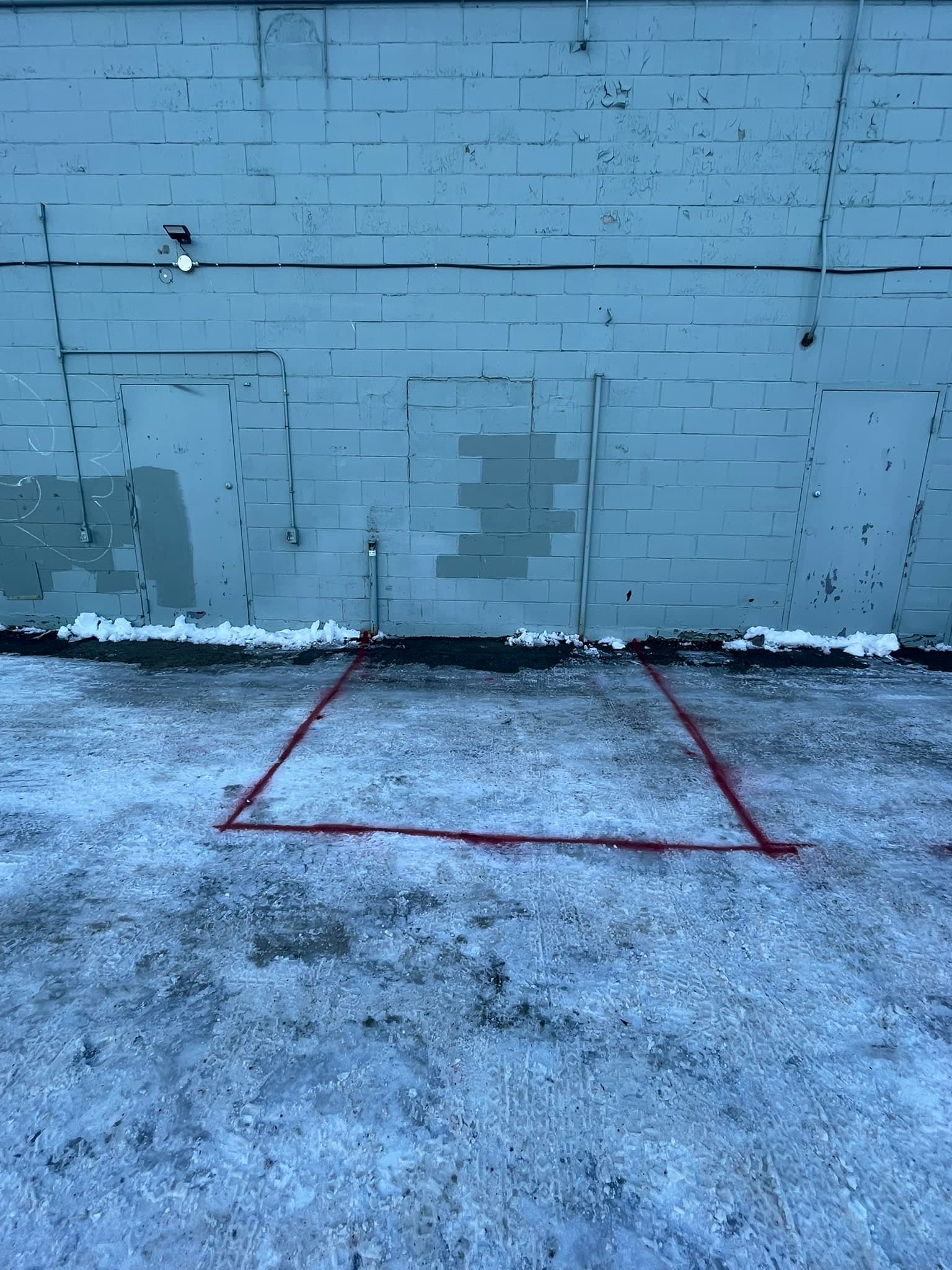
Sewer Camera & Sonde Locating
Camera inspection and sonde tracing of sewers, drains and ducts — locate non-conductive lines and see their condition from the inside.
Learn MoreNeed gpr?
Send drawings, site plans or a short description. We'll review and respond with a clear scope and quote.
Prefer to talk? 6 a.m. – 7 p.m., 7 days a week.
- Prince George(778) 764-1626
- Edmonton(587) 400-1260
- Vancouver(604) 800-8708
- Whitehorse(867) 322-3453